by atmara | Oct 27, 2011 | TED Talks, Video
 For those of you not familiar with TED Talks here is a brief summery of them from www.ted.com:
“TED is a small nonprofit devoted to Ideas Worth Spreading. It started out (in 1984) as a conference bringing together people from three worlds: Technology, Entertainment, Design. Since then its scope has become ever broader. Along with two annual conferences — the TED Conference in Long Beach and Palm Springs each spring, and the TEDGlobal conference in Oxford UK each summer — TED includes the award-winning TEDTalks video site, the Open Translation Project and Open TV Project, the inspiring TED Fellows and TEDx programs, and the annual TED Prize”
According to www.ted.com:
“Economics writer Tim Harford studies complex systems — and finds a surprising link among the successful ones: they were built through trial and error. In this sparkling talk from TEDGlobal 2011, he asks us to embrace our randomness and start making better mistakes.”
“In the Undercover Economist column he writes for the Financial Times, Tim Harford looks at familiar situations in unfamiliar ways and explains the fundamental principles of the modern economy. He illuminates them with clear writing and a variety of examples borrowed from daily life.
His new book, Adapt: Why Success Always Starts With Failure, argues that the world has become far too unpredictable and complex for today’s challenges to be tackled with ready-made solutions and expert opinions. Instead, Harford suggests, we need to learn to embrace failure and to constantly adapt, to improvise rather than plan, to work from the bottom up rather than the top down. He also presents the BBC radio series More or Less, a rare broadcast program devoted, as he says, to “the powerful, sometimes beautiful, often abused but ever ubiquitous world of numbers.”
Enjoy this thought provoking talk.
——————————————————————————————————–
I look forward to your thoughts and comments!
Be sure to Subscribe to this blog either by RSS or Email via the forms on the top right column of the page.
by atmara | Oct 24, 2011 | Art, Mandala Monday, Mandalas
When one thinks of Ireland, it is very easy to automatically visualize highly recognizable symbols of the country such as Celtic crosses, harps and claddagh. Traveling through the rolling green hills, you will find ruins and Celtic crosses still standing from early centuries which remain a mystery to all. Who created them and how have they manged to exist through the years while others have been destroyed?
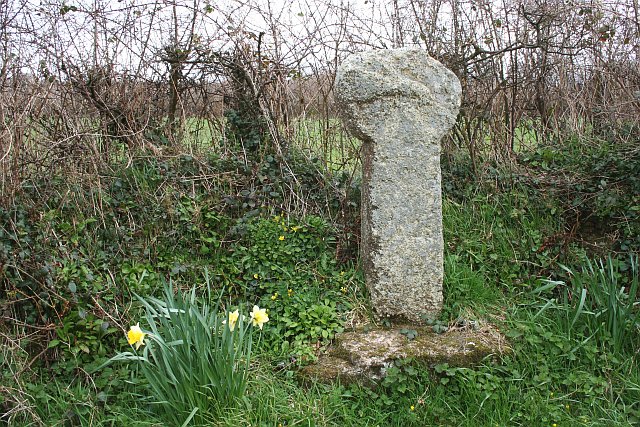
© Tony Atkins
Although many people assume that original Celtic crosses from the 12th century were created and used as grave markers, this is absolutely false. They were actually first used as boundary markers such as at an intersection between two parishes or to separate properties. It wasn’t until they began being created again with an explosion in popularity in the 19th century that Celtic crosses found themselves used as gravestones.
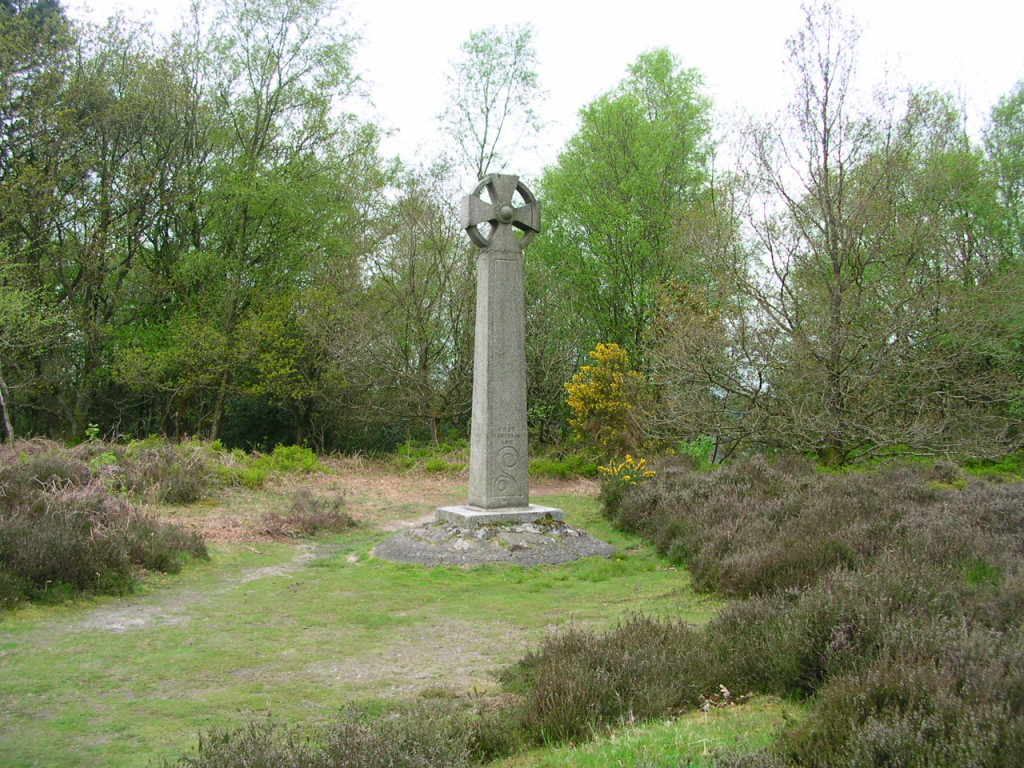
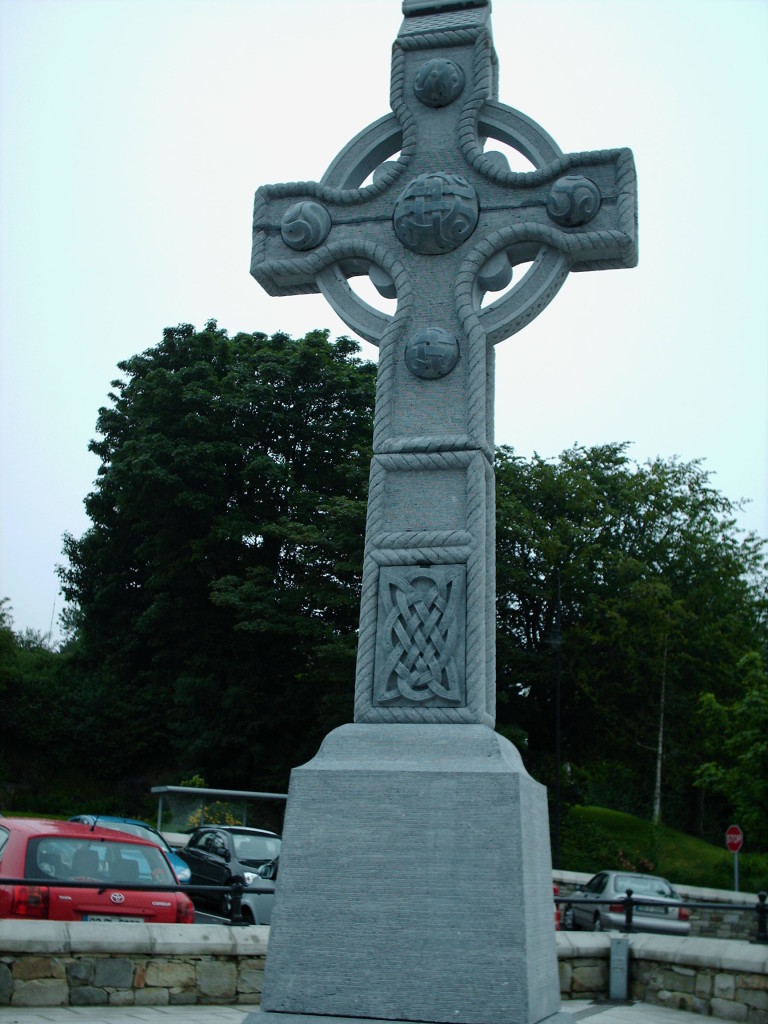
Celtic crosses of the old were created with extremely intricate designs that offered quite symbolic meanings. The cross and base, capstone, intersection and ring make up the four major components of this High Cross. They were often created from stone slabs that had been previously used for something else with its own bit of history. While some have not held up well through time, it is typically those made from granite and sandstone that are still standing.
The base was created from stone while the ring encompasses the cross itself. The horizontal areas of the cross are considered to be associated with the earthly world while the vertical axis pointing upward toward the sky is affiliated with the heavenly world.
While many people believe that Christianity was responsible for the birth of the Celtic cross, this guardian symbol actually predates this time period. Credit of the birthright is suggested to be given to the Druids and other ancient religions. However, there is still confusion as to how the circle was added to the cross. A legend of Saint Patrick suggests that when he brought in Christendom to Ireland and wiped the snakes from the country, he added the circle himself.
It is said that Saint Patrick wanted to combine Christianity with the sun or moon using the circle that was once used in ancient religion. This was meant to ensure that Ireland’s inhabitants would remain focused on the new religion.
Another idea is that the circle on the cross is a representation of the Chi Rho or Crown of Thorns that was worn by Christ while others believe that it is directly linked with the sun wheel associated with pagan rites.
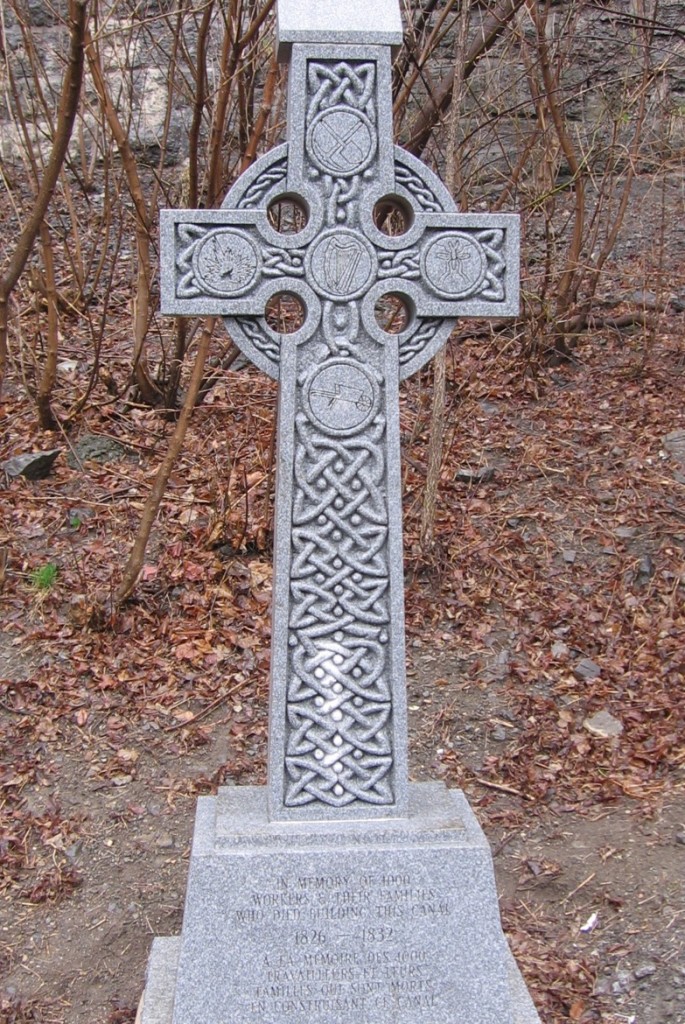
When viewing a Celtic cross, you will observe that Biblical scenes are represented in the panels. Stories from the New and Old Testament are depicted on opposing sides of the cross while the Celtic knot that you find on many ancient crosses symbolize major events or stories that have taken place. Some Celtic crosses also have spirals, animals and even key patterns. The Tree of Life is a prime example of this.
If you are looking to view some of the early Celtic crosses in Ireland, you can find them in several counties including Clare, Kildare, Wicklow, Tipperary, Offaly, Meath, Louth and Tyrone. Regardless of how the initial design came to be, Celtic crosses symbolize eternal life.
Article by Epouna
www.meaningofmandalas.com
Images from Wikimedia Commons
——————————————————————————————————–
I look forward to your thoughts and comments!
Be sure to Subscribe to this blog either by RSS or Email via the forms on the top right column of the page.
by atmara | Oct 20, 2011 | TED Talks, Video
For those of you not familiar with TED Talks here is a brief summery of them from www.ted.com:
“TED is a small nonprofit devoted to Ideas Worth Spreading. It started out (in 1984) as a conference bringing together people from three worlds: Technology, Entertainment, Design. Since then its scope has become ever broader. Along with two annual conferences — the TED Conference in Long Beach and Palm Springs each spring, and the TEDGlobal conference in Oxford UK each summer — TED includes the award-winning TEDTalks video site, the Open Translation Project and Open TV Project, the inspiring TED Fellows and TEDx programs, and the annual TED Prize”
According to www.ted.com:
“In this inspiring talk at the NextGen:Charity conference, Sasha Dichter of the Acumen Fund shares the results of his month-long “Generosity Experiment” where he said “yes” to every request for help.”
“Sasha Dichter is director of business development at Acumen Fund, a nonprofit VC for enterprises serving the poor. He is the author of the “Manifesto for Nonprofit CEOs” and a blogger on philanthropy.”
Enjoy this inspiring talk:
Sasha Dichter: The Generosity Experiment from TED Blog on Vimeo.
——————————————————————————————————–
I look forward to your thoughts and comments!
Be sure to Subscribe to this blog either by RSS or Email via the forms on the top right column of the page.