by atmara | Dec 2, 2013 | Art, Mandala Monday, Mandalas
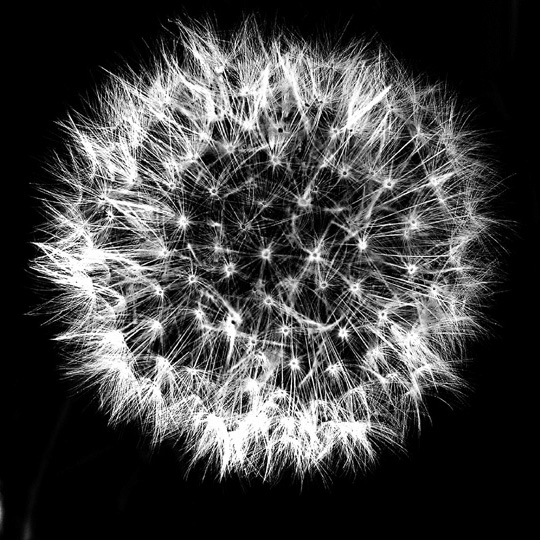
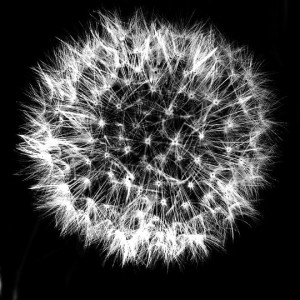
The next time you’re wandering around your garden, checking out your window boxes or taking your dog for a walk in the park, look around you – mandalas are everywhere. You just have to look around you to see the basic shape of a central point surrounded by an organized pattern radiating outwards. Sometimes just turning a flower or a pinecone around will reveal its mandala nature. You can draw inspiration from these natural designs, their shapes and their colours, in creating your own mandalas.
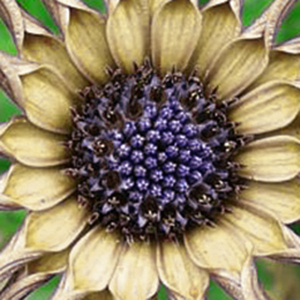
Mandala designs are easy to see in flowers. Petals surrounding a central core form the most natural designs. Imagine a sunflower, with its face full of sunflower seeds, surrounded by large, bright yellow petals. It’s a mandala guaranteed to make you smile. And something equally as cheerful – a daisy. Or perhaps a rose or a begonia for a mandala with overlapping petals.
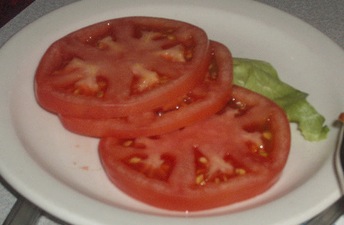
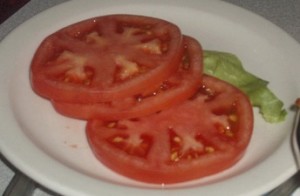
How about vegetables as geometric designs? Cut a tomato in half crosswise, and you’ll find a centre piece of the stem, with segments around it, each containing the seeds and juice. A cross-section of a bell pepper shows the veins and seeds, and the underside of a mushroom reveals the stem and the many lines of gills. Artichokes form one of my favorite designs. All of these are mandalas in nature.
And don’t forget about fruit as creative inspiration. You can see obvious mandalas when you cut citrus fruit in half. The segments of fruit surround a central stem and the seeds form additional decoration. Looking at a strawberry from the top down reveals a radiating pattern of seeds on a luscious bright red background.
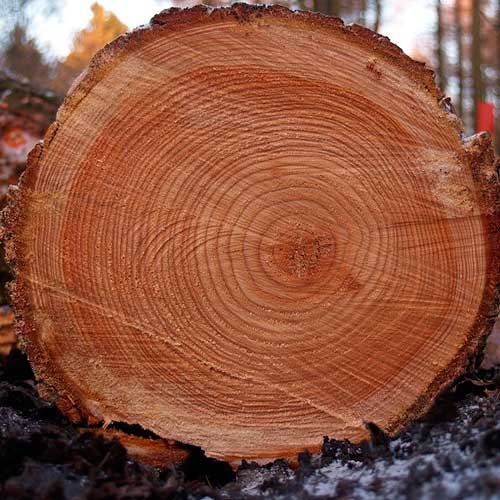
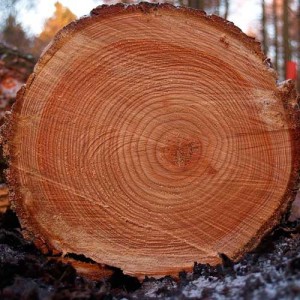
Trees also contribute to the vast array of mandalas in nature. A cross-section of the trunk reveals the tree rings. But pinecones also have a beautiful symmetry when held upright.
It’s not difficult to find mandalas in the flora world, but what about animals? Are some constructed in a mandala structure?
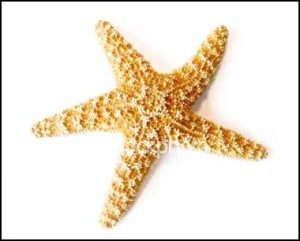
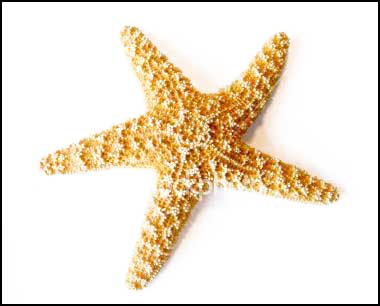
Starfish spring to mind. The 5 pointed arms around the body of the starfish form a simple pattern. And octopi and jellyfish can also seem to form similar patterns when viewed from above as they swim along. And sea anemones, and so on.
Mandalas are everywhere in nature, which may explain why they have been used as powerful and spiritual designs by humankind throughout thousands of years.
Searching for, and studying, mandalas in nature in your everyday life will have several amazing benefits:
* you’ll come to recognise the universality of the mandala
* you may be influenced in your colour choices in colouring mandalas by the ones you find in nature
* you may be inspired to create mandalas of your own based on those you see around you
* it’s exciting to find a new way to connect with nature
* you’ll appreciate even the smallest piece of the natural world when you’re looking for mandalas there.
By recognising and connecting to the mandalas in the natural world around you, you may begin to understand how many cultures consider the designs to represent universal truths.
Chris Lindsay is giving free rein to her creativity by designing mandalas for herself and others to color in. She uses geometric patterns from temari, yantra and kaleidoscope designs as the starting points for her creations. Whether you want to reduce stress, to quieten your mind, meditate or just to have fun, coloring is a great activity for all ages and all abilities.
Visit http://www.mandalas-to-color.com and set your artistic creativity free.
Upload your photos of the mandalas you have found in nature at http://www.mandalas-to-color.com/your-nature-mandalas.html
Article Source: http://EzineArticles.com/?expert=Chris_Lindsay
by atmara | Nov 25, 2013 | Art, Mandala Monday, Mandalas
When we think of mandalas we usually think of either sand paintings (see http://www.asia.si.edu/exhibitions/online/mandala/mandala.htm/ for some beautiful examples) or paintings done with traditional media: paint, ink, paper, canvas, etc. In recent years we can add computer generated mandala paintings as well. But I have been amazed at some other unique and creative ways people have thought of to make mandalas and want to share some of these with you.
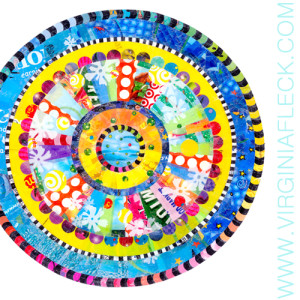
1. Virginia Fleck (http://virginiafleck.com/) makes mandalas from recycled plastic bags. You can visit her website and also read this interesting interview with her at HomeWorkshop.com (http://www.homeworkshop.com/2010/10/29/hidden-beauty-in-the-disposable/)
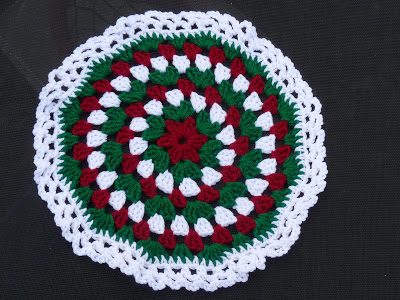
2. I’ve found several sources of crochet mandalas. One is Nancy’s Crochet: Christmas Mandalas (http://crochetnuts-place.blogspot.com/2010/10/christmas-mandalas.html) and the other is Crochet with Raymond – Getting Some Mandala Action (http://crochethealingandraymond.wordpress.com/2010/11/07/gettingsome-mandala-action/)
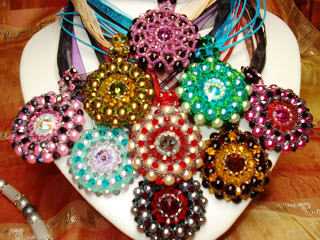
3. I’ve found crystal mandalas in several forms: Julion Craft – Crystal Mandalas (http://julionr.blogspot.com/2010/10/crystal-mandalas.html) and A Blissful Existance’s Healing Crystal Webs on Facebook (http://www.facebook.com/home.php?#!/album.php?aid=146311&id=100723860914)
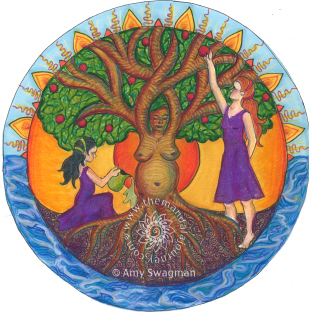
4. Amy Swagman creates Birth Art Mandalas (http://themandalajourney.com/) – and while she uses traditional media, the subject of her mandalas is uncommon and the mandalas extraordinarily beautiful and unique.
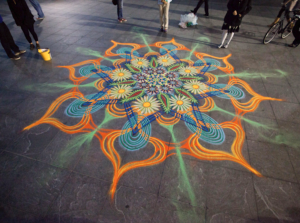
5. Joe Mangrum creates Sand Mandalas on urban streets (http://www.joemangrum.com/artnews/sand-paintings/), something quite different from traditional Buddhist sand mandalas.
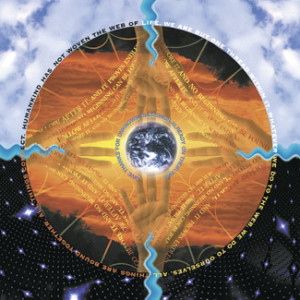
6. Clare Ultimo creates Word Mandalas (http://www.clareultimo.com/word-mandalas.php) combining images and words.
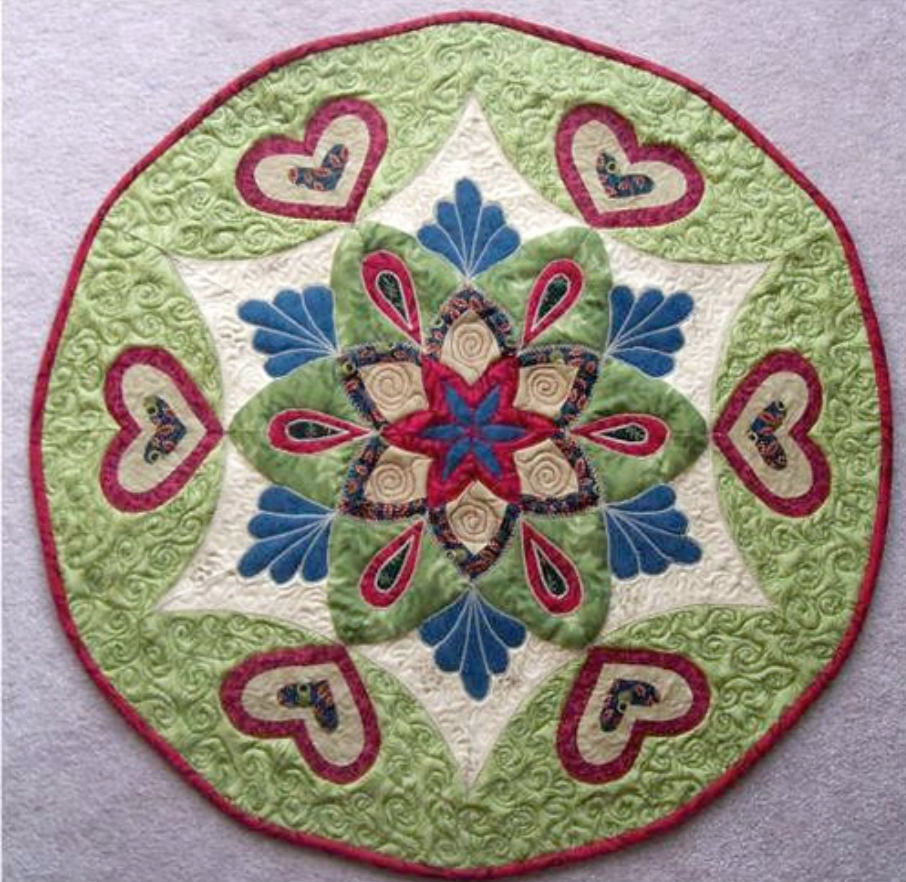
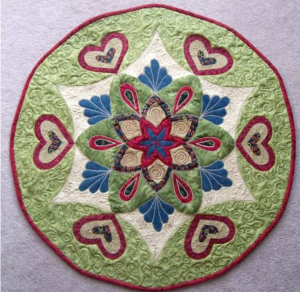
7. I’ve found several quilters who make mandalals: Mandala quilt (http://www.flickr.com/photos/48276978@N02/4424944219/?addedcomment=1#) and Dream It Then Create It (http://jspcreate.blogspot.com/2010/06/back-to-quilting-finally.html)
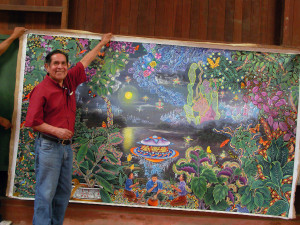
8. Howard G. Charing’s site shows shamanism and ayahuasca art mandalas (http://www.shamanism.cc/en/the-ayahuasca-visions-of-pablo-amaringo-article-from-sacred-hoop-magazine-71/)
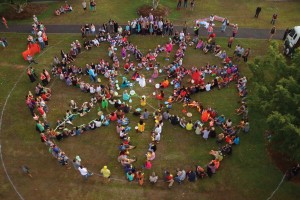
9. And then there are the Human Mandalas like 7 Sisters Human Mandala (http://beeuniversal.org/?p=67) and (http://beeuniversal.org/?page_id=11)
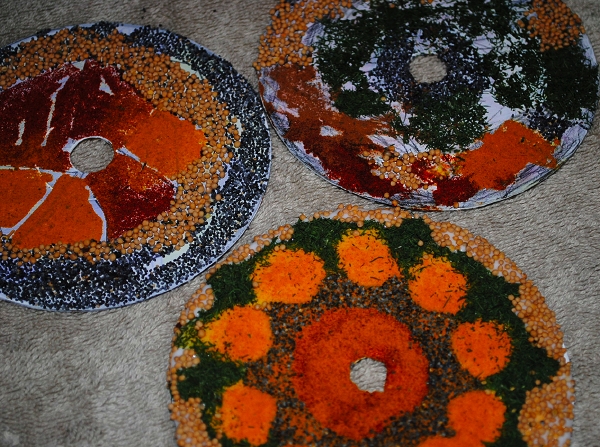
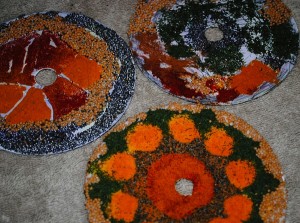
10. One really unique medium for mandala is seen at Spicy Mandalas – Crafts Home – Falafel and the Bee (http://www.falafelandthebee.com/?p=4050). I’m not sure what you do with these after they are finished, but they do seem a fun family project for a rainy day.
There are, I’m sure, many other examples of unique and creative media used for mandala making. These are what I’ve encountered so far. If you know of more list them in the comments below.
——————————————————————————————————–
I look forward to your thoughts and comments!
Be sure to Subscribe to this blog either by RSS or Email via the forms on the top right column of the page.
by atmara | Nov 18, 2013 | Art, Creativity, Mandala Monday, Mandalas
Online Resources for Creating Mandalas
1. Clare Goodwin’s Mandala Correspondence Course – Learn about mandalas at home, at your own pace.
2. Marc Bove – Download sample images from Marc’s cd of mandala coloring pages.
3. Hindi Yantras – Yantra construction explained in detail by Patrick George.
4. Mandala: The Art of Power..the Power of Art – Information about making your own mandalas by Ray Whiting.
5. Mandala Offering – Detailed instruction on Tibetan sand mandala images from Osel Shen Phen Ling, Tibetan Buddhist Center.
6. Mandala Symbolism – An explanation of the use of mandalas in a psychological setting by Michael Brown and directions for creating your own mandalas.
7. Tie-Dyeing Mandalas – Directions on how to tie-dye mandalas by Paula Burch.
8. Zodiac Arts – Color a mandala and submit to their website.
9. How to Draw a Mandala: 10 Steps – wikiHow – A brief guide to getting started creating mandalas.
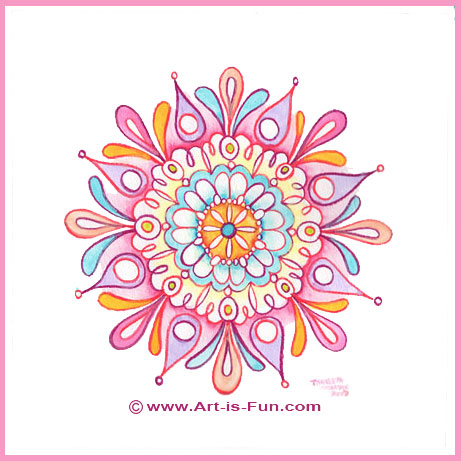
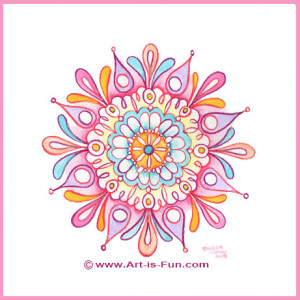
10. How to Draw a Mandala – Step by step guide to drawing a mandala on art-is-fun.com.
Enjoy!
——————————————————————————————————–
I look forward to your thoughts and comments!
Be sure to Subscribe to this blog either by RSS or Email via the forms on the top right column of the page.